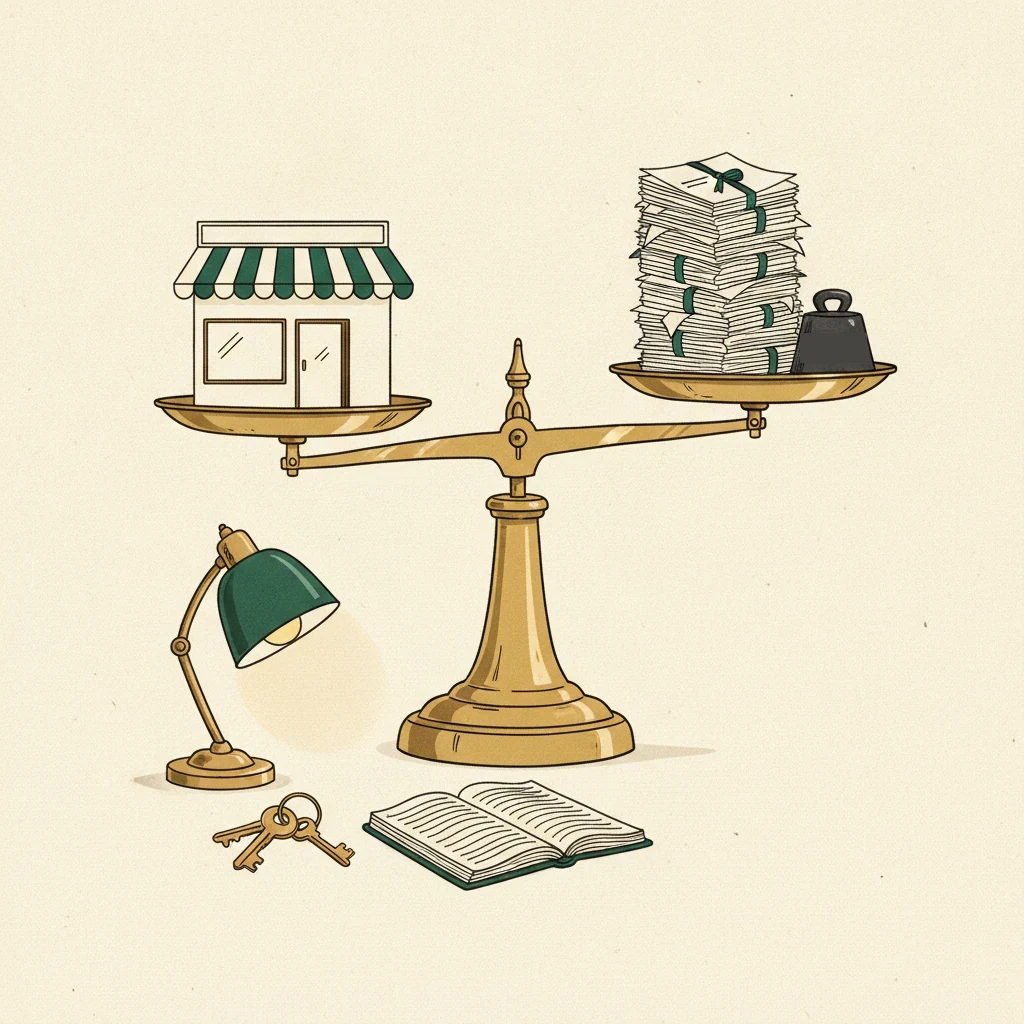
Every franchise brochure sells you on one big number — average sales. It's the wrong number. We read the disclosure documents and tell you what actually happens: what you'd really pocket in year one, how much of your life it eats, and whether you can ever sell it. Plain-English, cited — and we don't sell franchises.

The daydream, costed out — what you'd make, and whether you own something you can sell or just buy yourself a paycheck.
Every brand gets a blunt verdict (job, asset, or trap) and a real-life breakdown, backed by the numbers as filed with state regulators. Here's the disclosure behind McDonald's "asset — if you scale" verdict, from its 2024 FDD:
McDonald's is a landlord first and a burger franchisor second. It owns the real estate and charges rent as a percentage of sales — up to ~33% in 2023 — on top of the 4% royalty and 4%+ ad fund. That percentage rent, not the royalty, is the real profit engine, so a big Item 19 number doesn't become proportional owner profit. See the full McDonald's file →
Start with a brand, or start with your budget.
Investment, fees, and unit economics for top brands — read from the disclosure, not the pitch.
Filter every brand by investment level, royalty, and whether they disclose Item 19 at all.
Model total investment against financing and Item 19 revenue to a realistic breakeven.
Is a franchise worth it? How to finance one? What the FDD won't tell you. Plain-English, grounded.

Since October 1, 2026, an SBA loan to buy an existing franchise must clear 1.25x coverage on the unit's real history. That quietly screens out buy-a-job resales.

Jan-Pro, Jani-King, and Coverall use a master franchise model most buyers don't understand. A 2026 D.C. settlement and FDD data break down what you're actually buying.

Brokers sell "semi-absentee" franchises as passive income. Across our FDD files, only two run hands-off on a single unit — and a manager's salary is why.